Genesis 1:1 – 2:4a
Psalm 8
“All Things Under our Feet”
In the lectionary cycle, today is Trinity Sunday, but I’m not going to preach a sermon about how God is Three-in-One and One-in-Three and try to make sense of that mystery.
At First Church, today is also Camp Sunday, a moment to highlight and support the ministry of our Synod camp, Camp Christopher, but I’m not really going to preach about camp either.
I should say that Presbyterian camping ministry made a huge difference in my faith formation and my call to ministry. I was a camper and then a staff member at Gracefield Camp in Quebec for many years, and it had a big impact on my life. But I’ll leave the specific topic of camp to Donna Wilkinson, who will share about Camp Christopher’s ministry a little later in the service.
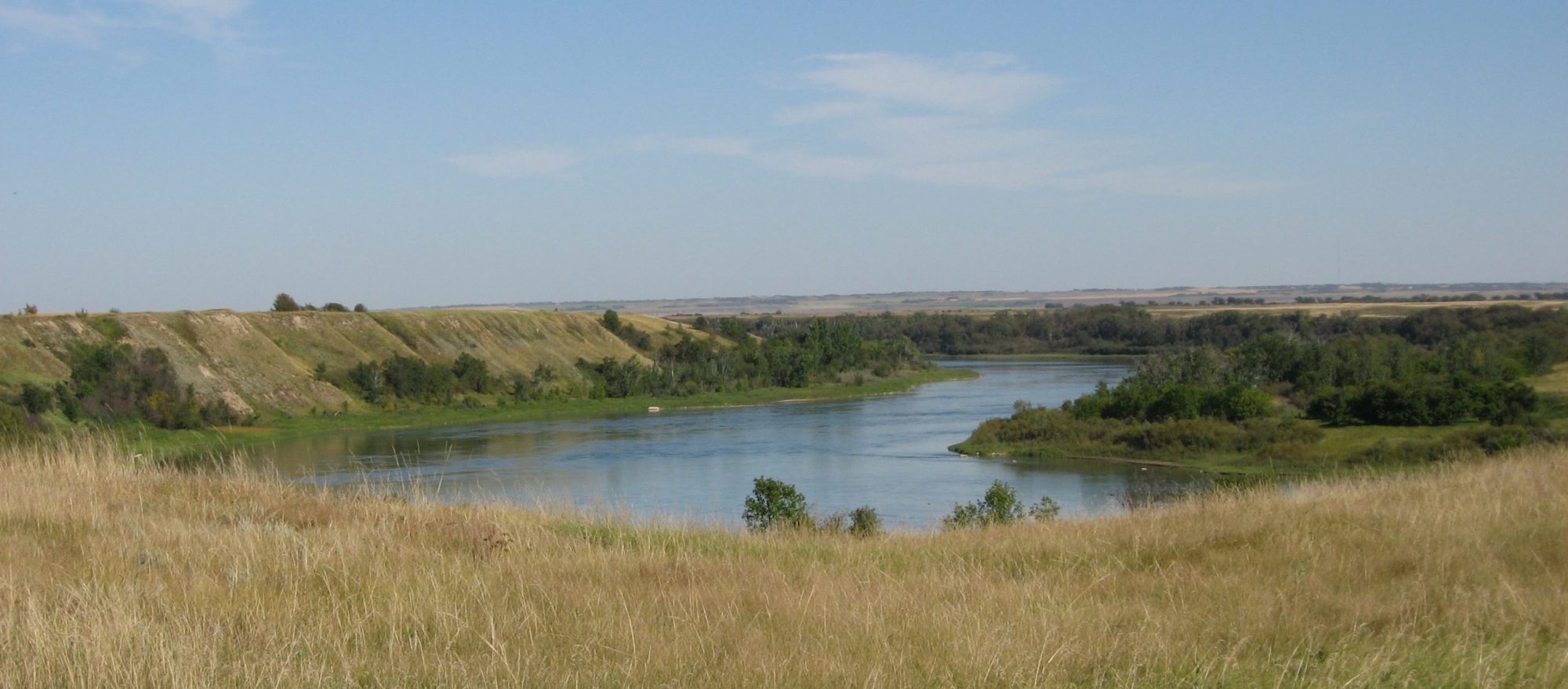
This morning, I want to focus on the readings from Genesis 1 and Psalm 8 that celebrate God as the Creator of the universe – one of the aspects of God’s being that many of us come to recognize when we have the opportunity to spend time outdoors, away from the city, exploring the beauty and wonder of the natural environment.
One of the things I noticed when studying these texts this week was that they didn’t just tell us about who God is as the powerful, creative, maker of everything that is good. But they also tell us something about who we are as human beings in relation to God and to all the other parts of God’s creation.
The first chapter of Genesis poetically recounts all the good things that God created. God made light and dark; sun, moon and stars; earth and sky and sea; plants, fish, birds, and all kinds of four-legged creatures. Although the world may seem wild and dangerous to us at times, the text emphasizes the orderliness of God’s work and the inherent goodness of each and every element.
When we get to the part about human beings, the text emphasizes that we have a special place within the creation. First, there’s the fact that God decides to make human beings “in God’s own image” and “in God’s likeness.” It doesn’t say exactly how we are supposed to be “like” God. We might assume that we somehow “look like” God, and maybe that would be right if God had an appearance.
But I think it’s more likely that our likeness to God has to do with our role, our responsibility, or perhaps even our power. Right after saying that God will make humans in God’s image, God says, “and let them have dominion over the fish of the sea and over the birds of the air and over the cattle and over all the wild animals of the earth and over every creeping thing that creeps upon the earth.”
It’s that word, “dominion” that is tricky. It was historically interpreted to mean that humans were placed above the other creatures. Dominion meant that we had authority and priority, and it was used to justify human-centered development and resource use.
Another option is to interpret the gift of dominion as a responsibility, as if humans are to act as God’s vice-regents on earth. Dominion mirrors the just rule of a good king, and focuses on dignity, order, and responsibility, not domination. This idea makes sense when you think about God making us in God’s image. We are “like” God, so we share in God’s responsibility and care for the creation.
Psalm 8 suggests something similar. At first, the psalmist stands in awe of God’s power and creativity, and he feels small and unimportant in the face of God’s sovereign majesty. He writes: “When I look at your heavens, the work of your fingers, the moon and the stars that you have established; what are human beings that you are mindful of them, mortals that you care for them?”
But then he marvels at the fact that God does indeed care for us humans, and that God has given us a special place within the creation. The psalmist says that God has made us “a little lower than God and crowned us with glory and honour.”
Like the author of Genesis, the psalmist declares that God has given to human beings “dominion over the works of [God’s] hands; [and] put all things under [our] feet, all sheep and oxen, and also the beasts of the field, the birds of the air, and the fish of the seas.” We are not gods, we are creatures. But we are creatures who have been made in God’s image to nurture and protect the very good creation that God has made.
Perhaps I could go on to elaborate some of the ways that we can protect and preserve the natural environment, both individually and collectively. We could talk about pollution, resource extraction, greenhouse gases, plastics, and the many ways that our modern life harms the creation in order to make us comfortable and happy. We could talk about steps that we can take to turn things around – the personal and community choices we can make to put God’s creation first, and above our own needs.
But I want to circle back to the fact that today is Camp Sunday. Because I think that our Christian camping ministries do two important things in relation to our Scripture readings today.
First of all, they invite our young people out into the natural environment of lakes, trees, and animals so that they can grow in their appreciation and care for the good creation of God. And second, camping ministries give our youth an opportunity to discover who they are in relation to God and the creation.
Through Bible study, worship, and times of prayer, children and youth learn that they are beloved children of God who are precious and made for goodness and love. And they learn that God calls them to responsibility – to use their gifts and energy to love their neighbours, both human and animal.
The psalmist says that God has put all things under our feet. But when we’re up at camp… gazing out across the lake, looking up at the beautiful changing sky, or feeling the sand of the beach squishing between our toes, we may begin to recognize that the things under our feet aren’t for trampling. And our hearts are filled with gratitude for the goodness of all creation and our place within it.